The Effect of the Prohibition on Public Dialogue Concerning Horses
**Title: An In-Depth Exploration of Santa Ragione’s Contentious Horror Game: Horses**
The realm of gaming has frequently been influenced by titles that challenge conventions, and Santa Ragione’s *Horses* has emerged as a focal point of contention due to its provocative subject matter and disturbing visuals. The game’s two-hour playtime leaves participants with conflicting emotions, prompting many to question if the uproar surrounding it is justified. Following its prohibition from prominent PC marketplaces such as Epic and Steam, primarily due to claims relating to inappropriate conduct involving minors, conversations have surfaced debating whether the game merits such examination.
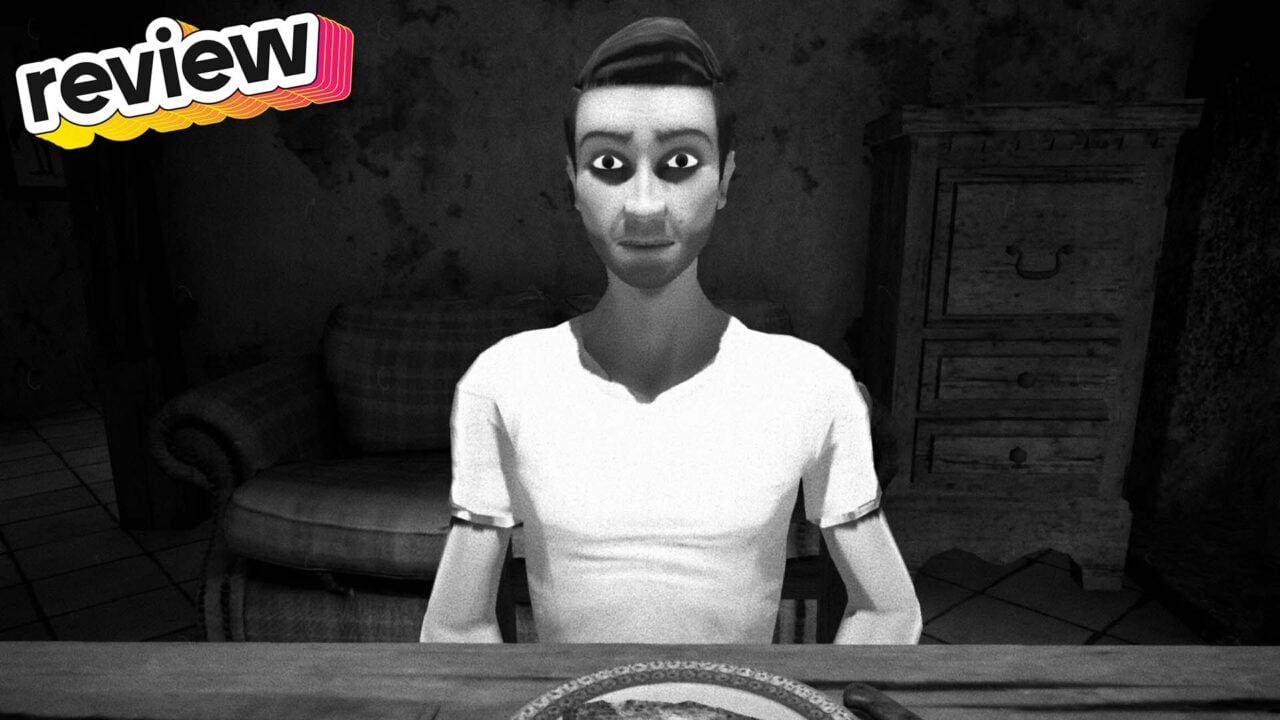
At its essence, *Horses* acts as a disquieting reflection on the mental ramifications of a restrictive, puritanical existence. Gamers assume the role of Anselmo, a young man sent to labor on an isolated farm, where he discovers horrifying metamorphoses. The horses he cares for are grotesquely depicted as humans wearing horse masks, deprived of their individuality and compelled to behave like beasts. This bizarre yet chilling notion symbolizes the suffocating essence of the farmer’s own sexual restraint.
The story critiques the societal barriers imposed by a belief system that equates abstinence with morality. Through the farmer’s warped perspective, *Horses* underscores the contradiction of a man consumed by sexual dissatisfaction who projects his own repression onto those around him. The gruesome imagery is employed deliberately, although it may not strike a chord with every player. The general design evokes a crude, retro gaming aesthetic reminiscent of the early 2000s, raising inquiries about artistic purpose versus technical performance.
Technical flaws significantly impact the experience, with framerate jags pulling players out of the intended immersion. Despite its rough presentation, one could argue that the aesthetic corresponds with the themes of emotional emptiness and horror. The stark environment of the farm—small, cluttered, and uncared for—visually embodies the psychological deterioration the narrative seeks to depict.
Contentiously, *Horses* does not hesitate to portray explicit scenes of sexually violent encounters. A particular scene has sparked considerable debate, featuring a forceful and horrifying interaction that emphasizes the narrative’s exploration of power relations and sexual distortion. While some view the graphic content as mere shock tactics, others argue it serves to further the narrative’s profound thematic issues.
Despite the upsetting material, *Horses* communicates its central message effectively, albeit lacking the polish that might elevate it to a more memorable status. While it wrestles with concepts reminiscent of acclaimed horror films, it fails to leave a lasting impression. The prevailing themes of the game—specifically the hazards of a repressed upbringing—may resonate but do not possess the depth typically associated with groundbreaking storytelling.
In conclusion, *Horses* is a flawed yet thought-provoking title that provokes diverse reactions. It mirrors societal challenges regarding sexuality and repression, conveyed through unsettling imagery and storyline. While its technical flaws and disturbing content are noteworthy, the discussions triggered by its censorship reveal deeper dialogues about censorship, artistic freedom, and the role of video games in tackling complex issues. Ultimately, *Horses* stands as a testament to the delicate boundary between art and provocation, prompting players to evaluate both its merit and the implications of its reception.